
Sensors
The OctoScope sensor array is powered by sensors designed for
Precision Monitoring and Reliable Data Collection
For scale reference, the ball shown measureS 4.5cm x 4.5 cm
Navigational Assistance Sensors
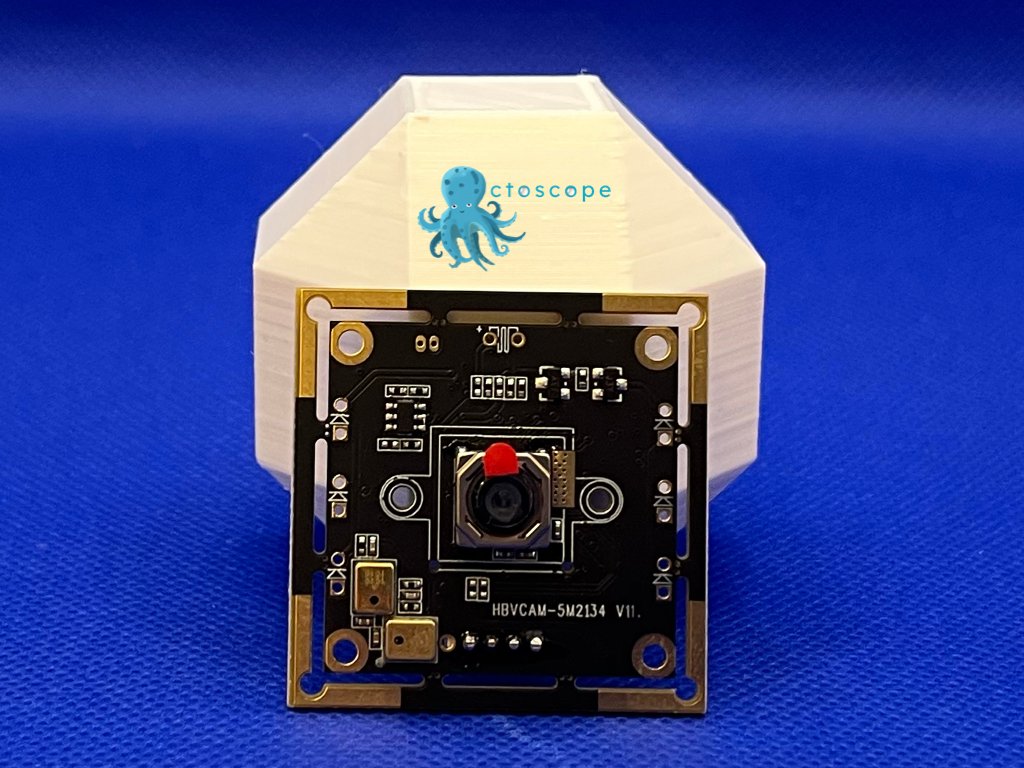
Camera
There are two primary cameras onboard the AUV: the analog camera which is at the back is used to coordinate the gripper’s object manipulation, while a digital camera at the front is used for navigation.
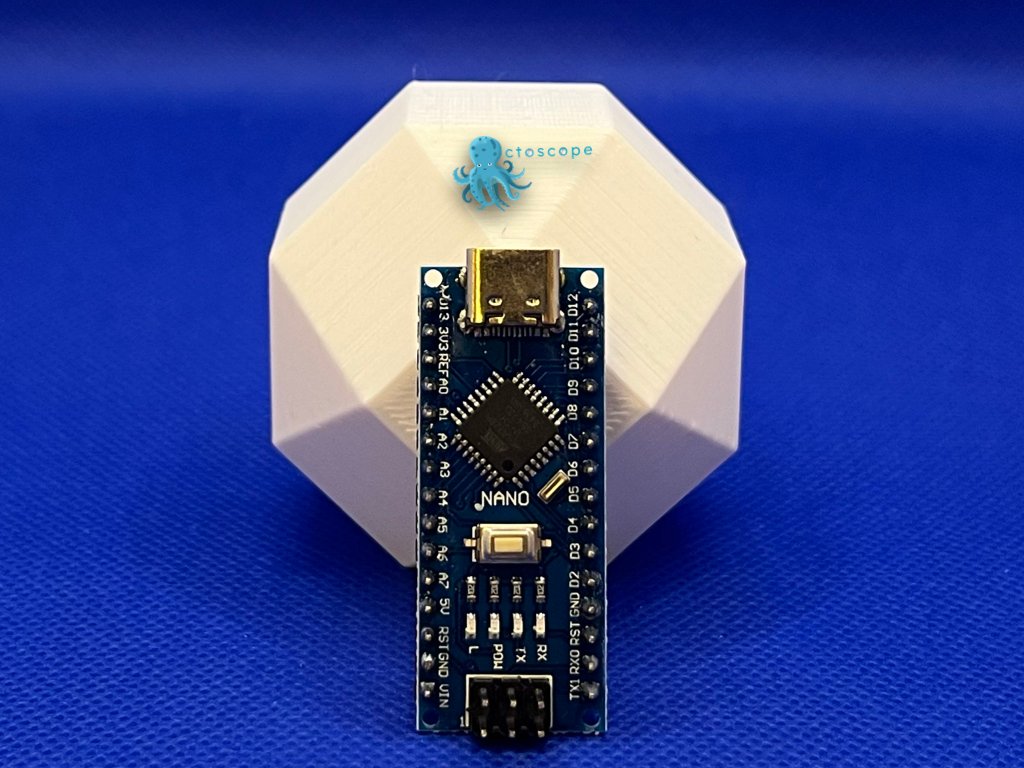
Inertial Measurement Unit
The IMU measures movement such as acceleration and rotation, providing an analog, electric output corresponding to the movement measured. This allows the AUV to better navigate through the canal.
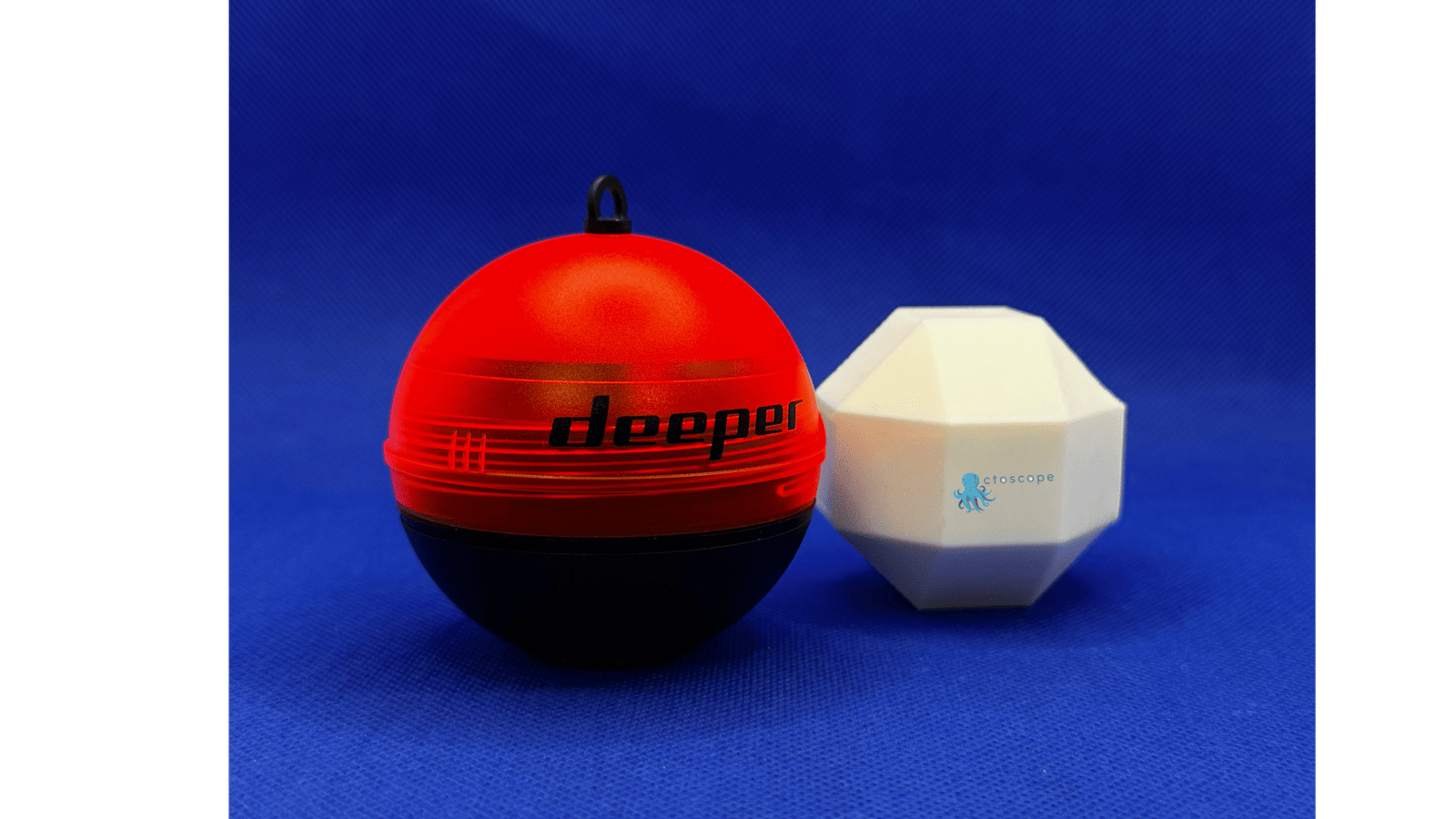
Multibeam Sonar
This long range technology allows the AUV to have a constantly updated 3D model of it’s surrounding environment. This data allows us to provide early warnings to ships in case of obstacles, and plot the safest routes for navigation.
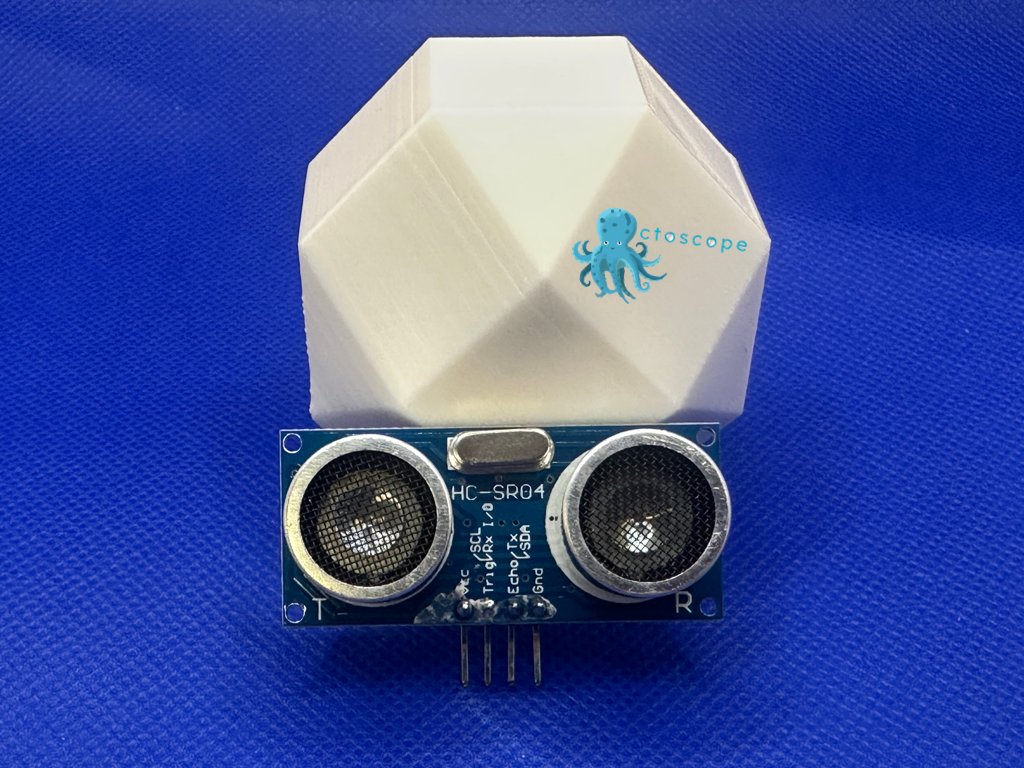
Ultrasonic Sensor
The ultrasonic sensor is a precise obstacle-detection tool that uses sound beams. It is able to detect sudden, short range obstacles, providing quick warnings, allowing the AUV to take swift action, avoiding collisions.
Water Quality Sensors
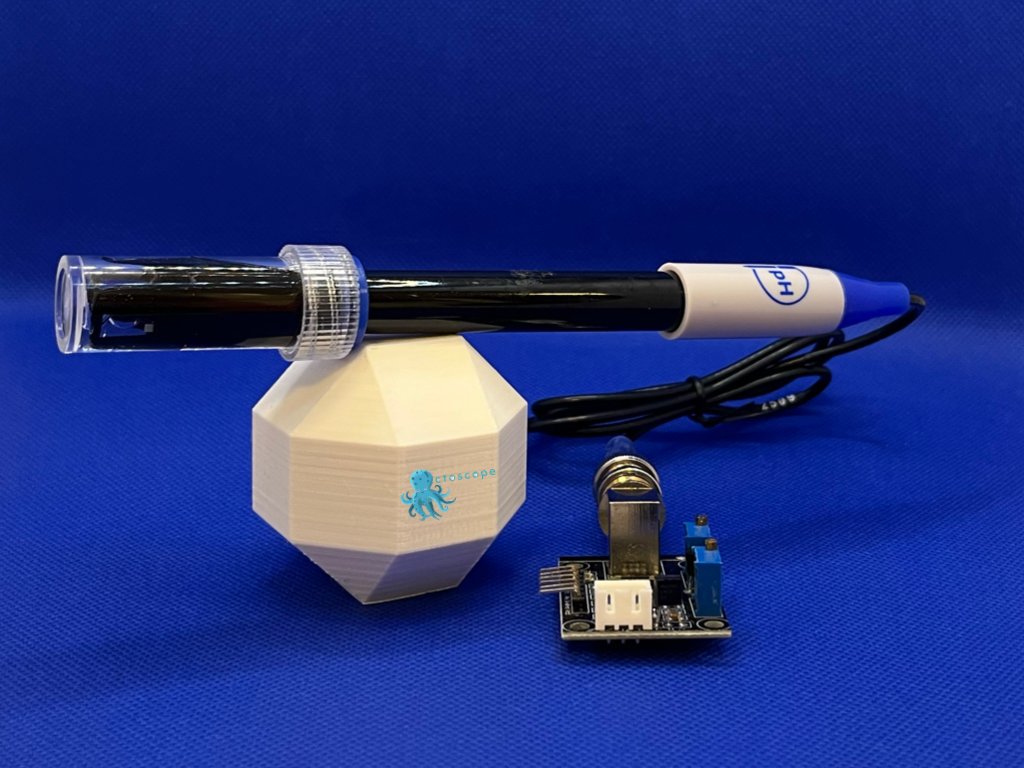
pH Sensor
The PH sensor measures hydrogen ions, which is neccesary as high PH can increase the risk of corrosion in ships and infrastructure, allowing us to take early action, warning canal authorities about the possible danger.
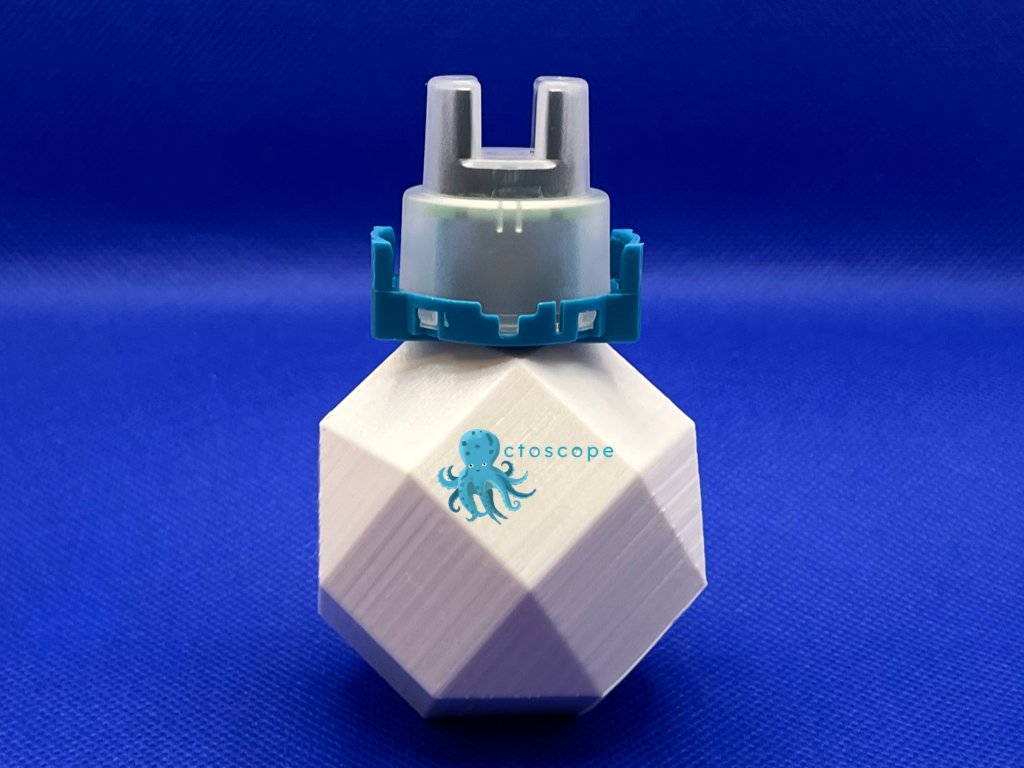
Turbidity Sensor
The turbidity sensor monitors water clarity by measuring suspended particles. This allows early detection of sediment buildup, or pollutants enabling canals to take relevant measures before it disrupts operations.
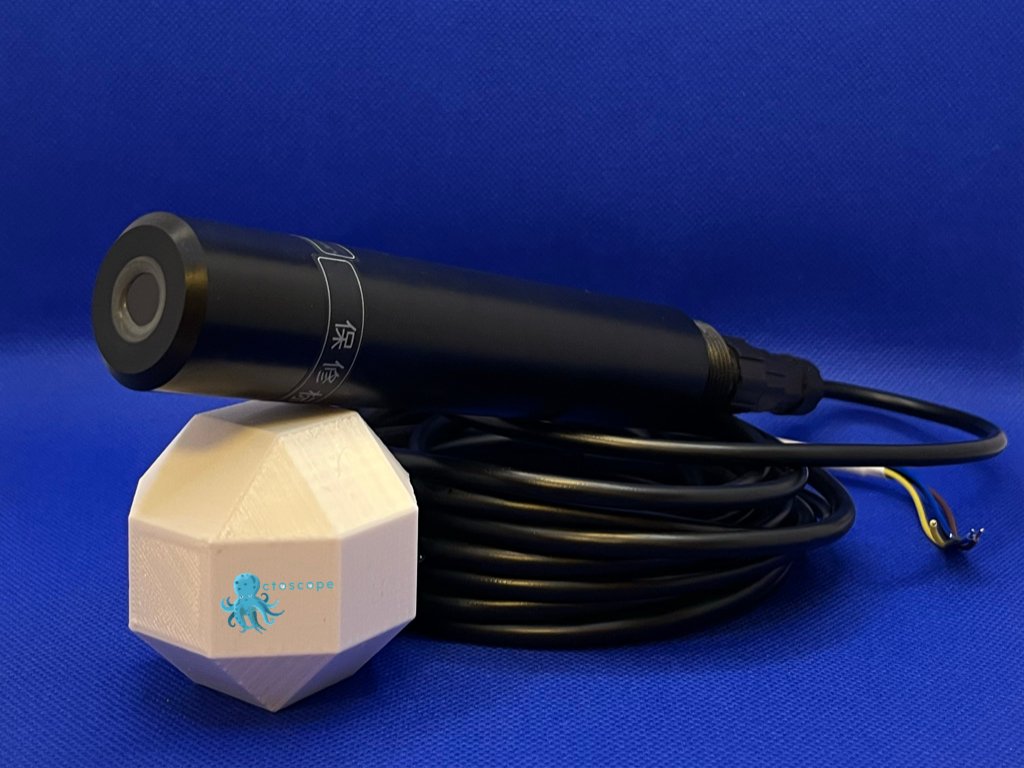
Dissolved Oxygen Sensor
The DO sensor Measures oxygen levels in canal waters, an important indicator for aquatic health. Low oxygen levels can signal unsafe pollutant spreads or biological imbalances.
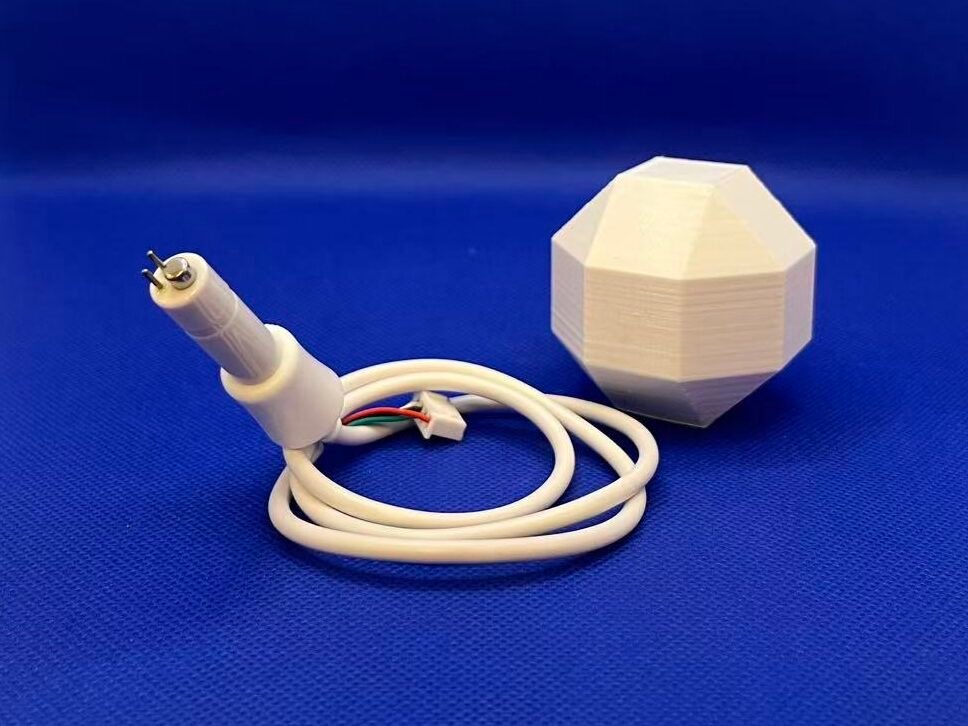
Total Dissolved Solids Sensor
The TDS sensor measures the concentration of dissolved solids in canal waters, and it is essential to have these data because high TDS levels indicate chemical imbalances along with accelerated corrosion rates in infrastructure, posing numerous risks.
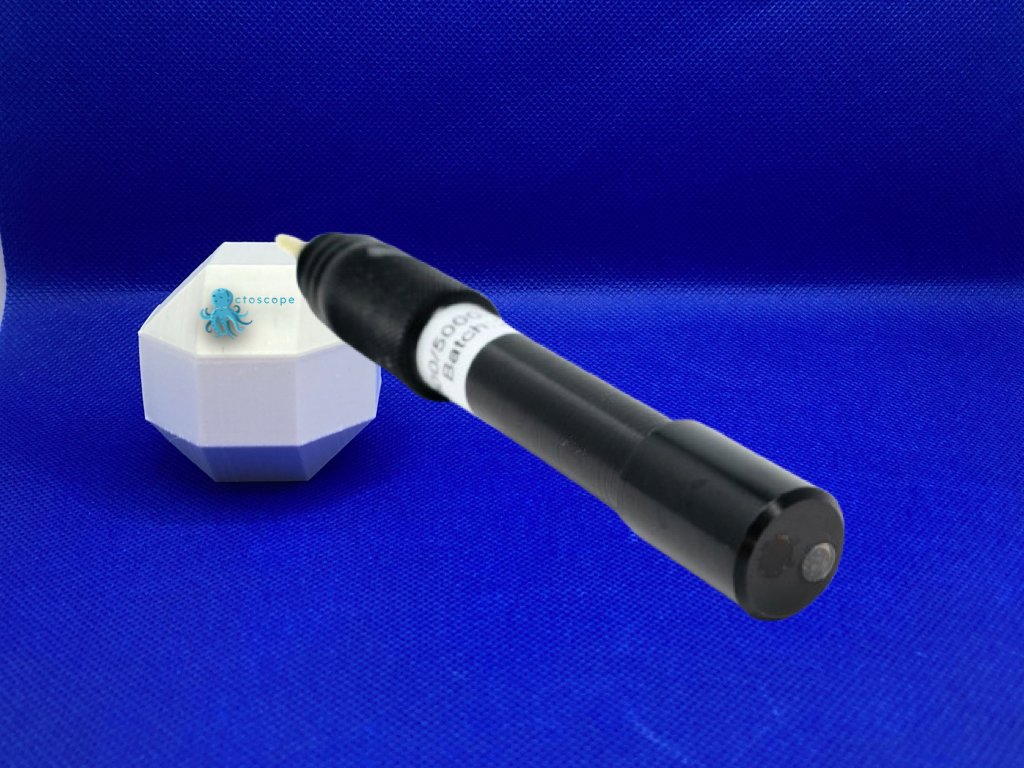
Chlorophyll Sensor
The chlorophyll sensor can detect plant life below the water, giving an early warning of possible algal outbreaks in canals. Plant life could also clog water intake systems, as well as block narrow sections, increasing maintenance and transit times.
Sensor Hub
The majority of our sensors are integrated into a dedicated, modular sensor hub. Designed for rapid reconfiguration, this detachable system allows for seamless customization to meet unique operational requirements. As specialized missions demand specialized tools, our interchangeable architecture ensures that we can deploy the precise instrumentation required for any problem.